Roblox Age-Based Accounts: A New Approach to Child Safety
Roblox age-based accounts are the latest update from Roblox, designed to improve safety for younger users. This system introduces stricter controls, especially for children under 16. At first glance, Roblox age-based accounts seem like exactly what parents have been asking for. Children aged 5–8 are placed into ‘Roblox Kids’ accounts. These accounts only allow access to content labelled ‘Minimal’ or ‘Mild’. In addition, chat features are limited, while parental controls are stronger than before. The goal is simple: create a safer, age-appropriate environment. However, a key question quickly appears: what does ‘age-appropriate’ actually mean? Figure 1.0 showcases the user interface (UI) the under 9 account seems very ‘age-appropriate’.
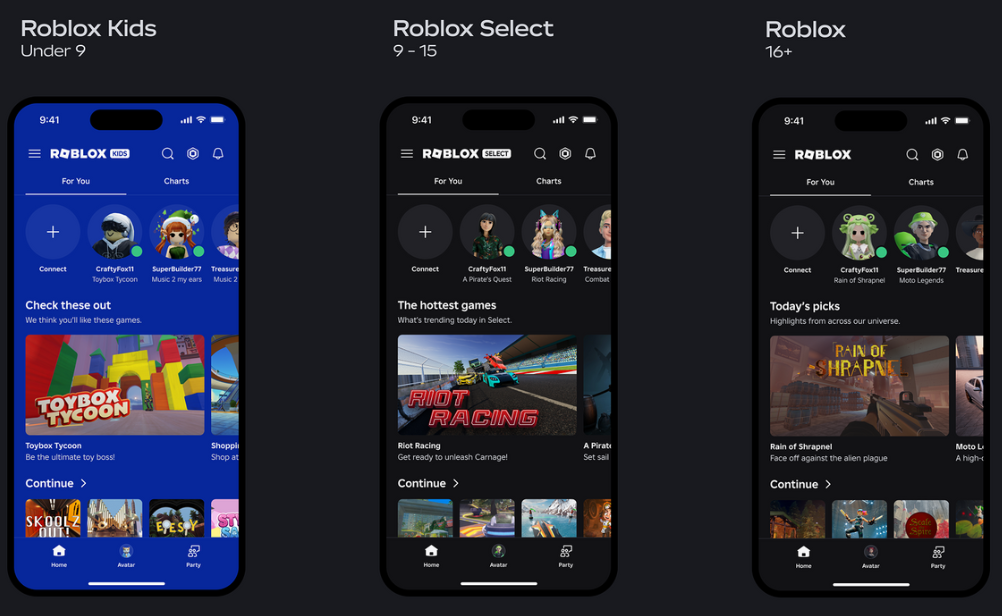
Figure 1.0 Roblox User Interface for 3 age groups
Age-Based Accounts Rely on Content Labels
The success of age-based accounts depends heavily on content maturity labels. These labels guide what users can see based on their age. In theory, this system works well. Younger users see safer content, while older users gain more freedom. For ages 5–8, only ‘Minimal’ or ‘Mild’ content is available. That label should represent the safest experiences on the platform. However, the system only works if labels are accurate and consistent. If classification fails, then Roblox age-based accounts lose their effectiveness.
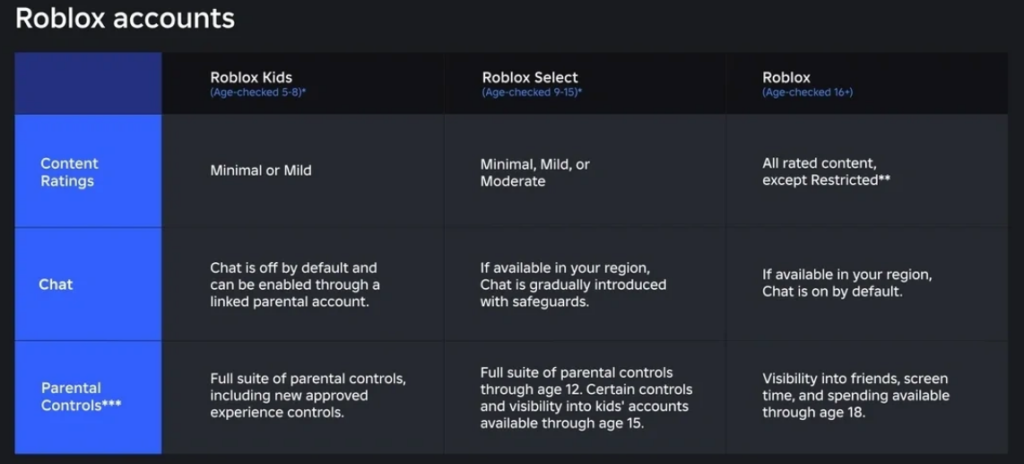
Figure 1.1 Roblox Accounts showing content ratings
When ‘Minimal’ Content Doesn’t Feel Minimal
While reviewing experiences marked as ‘Minimal’, some concerns appear. Certain games include:
- Horror-style themes
- Intimidating or threatening characters
- Unsettling or disturbing visuals
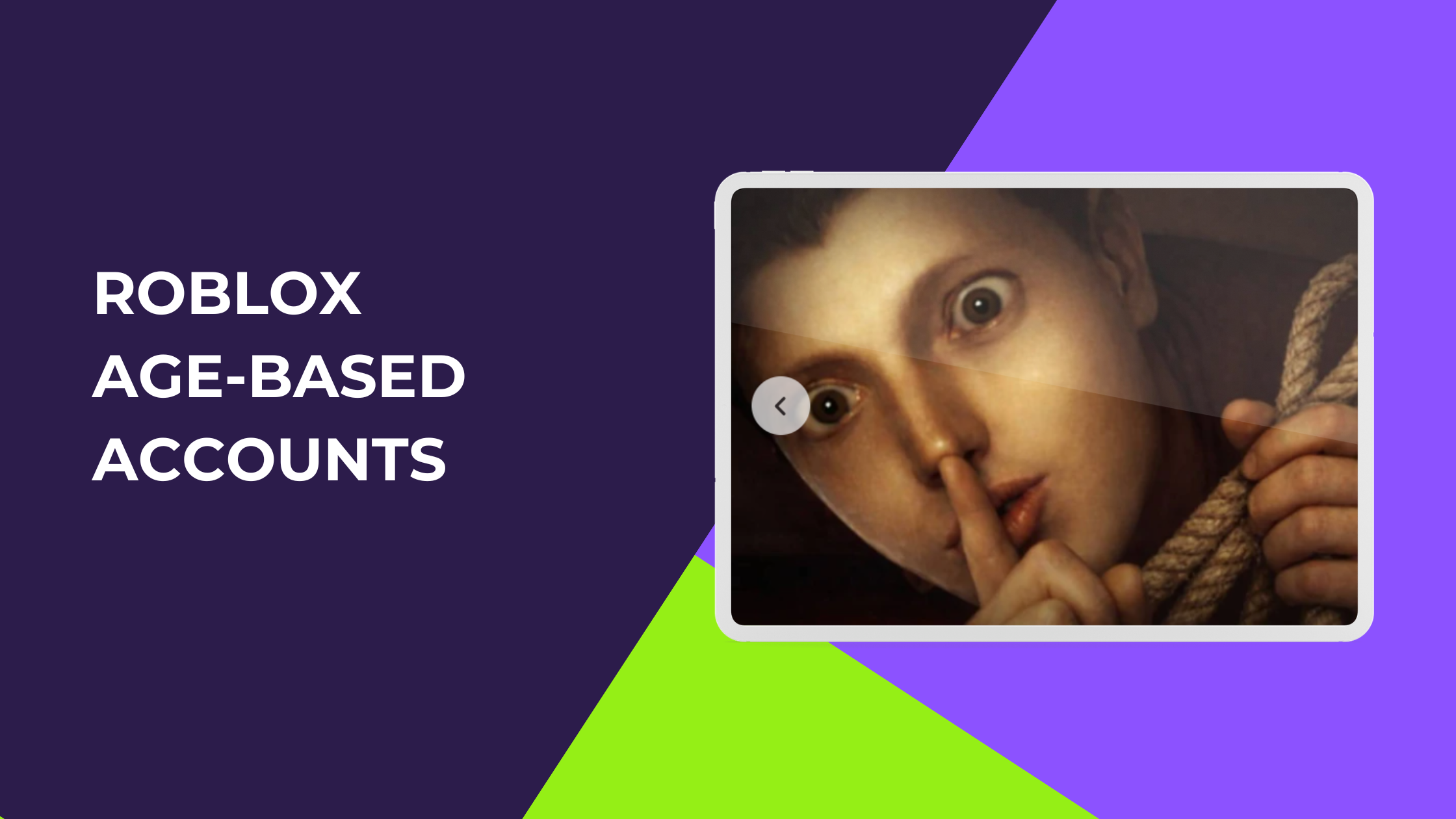
These are not extreme cases. Yet, they still raise important questions. If this content fits under ‘Minimal’, then the definition may not match expectations. As a result, Roblox age-based accounts may not always deliver the safety parents expect.

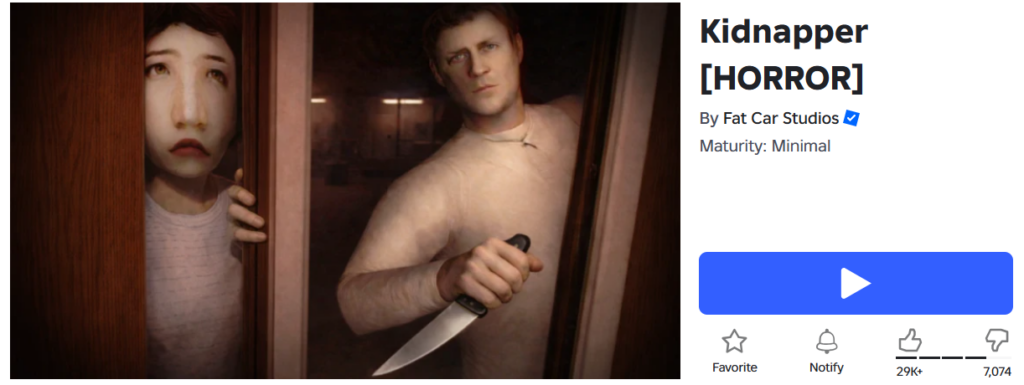
Figure 1.2 and 1.3 show a Roblox game marked with maturity rating minimal suitable for age (5-8)
Roblox Age-Based Accounts and the Expectation Gap
There is also a mismatch between presentation and reality. In official materials, Roblox shows bright, playful environments for younger users. These visuals suggest highly controlled, child-friendly spaces. This creates a clear expectation. Parents assume ‘Minimal’ means content similar to early learning platforms. However, real experiences do not always match that image. When unsettling elements appear in ‘Minimal’ content, it creates confusion. Therefore, Roblox age-based accounts may not fully align with what parents believe they are choosing.
A Wider Issue
This challenge goes beyond one platform. Today, many digital systems rely on labels, filters and automated moderation. These tools aim to protect children online. However, people rarely question how these systems are defined. A label like ‘Minimal’ may work technically. Yet, a young child may experience it very differently. Because of this, age-based accounts highlight a larger issue, digital safety cannot rely only on classification systems.
Why Age-Based Accounts Still Matter
Despite concerns, age-based accounts are still an important step forward. Stronger parental controls help reduce risk. Age restrictions also guide children toward more suitable content. However, no system is perfect. Even well-designed platforms can miss important details. Therefore, relying only on Roblox age-based accounts may not be enough to ensure complete safety.
Building Digital Understanding
Instead of focusing only on restrictions, the conversation should shift.
Children need skills, not just filters. They should learn to:
- Recognise when something feels wrong
- Question what they see online
- Understand how platforms work
- Think critically about digital content
These skills add a layer of protection that systems cannot replace. While Roblox age-based accounts help, education fills the gaps.
A Step Forward, Not the Full Solution
The introduction of Roblox age-based accounts shows progress. Platforms are starting to take responsibility more seriously. However, this update also reveals the limits of platform-led safety. When safety depends on labels, even small errors can matter. As a result, Roblox age-based accounts should be seen as one part of a larger solution.
Final Thoughts
Safe by design is a powerful idea. Yet, it only works when design matches real user experiences. Until then, parents and educators must look beyond controls. They should focus on helping children understand the digital world. Because in today’s environment, safety is not just about restriction. It is about understanding, and Roblox age-based accounts are only the beginning.